

Meeting needs in the digital space step by step.
The Mui Ne Museum of Antiquities was officially established in 2023. It is a private museum directly managed by Mr. Nguyen Ngoc An, an antique collector.
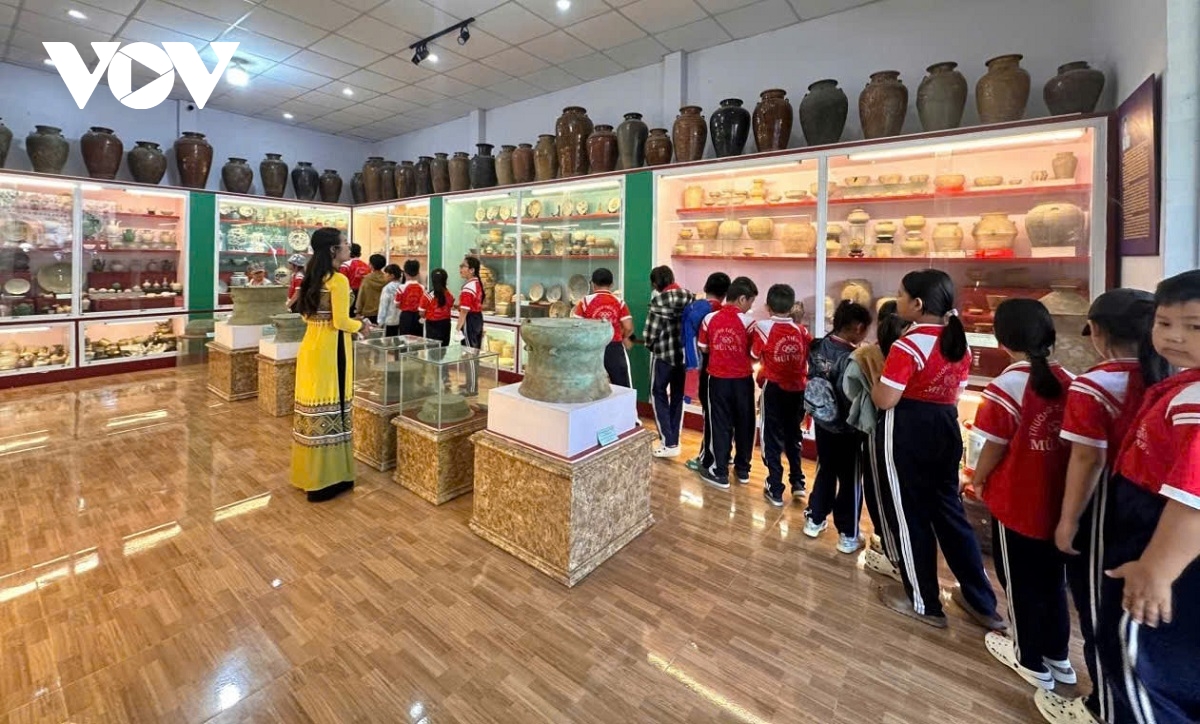
Spanning over 2,500 square meters, the museum displays 20,000 artifacts across six themes, along with more than 30,000 artifacts stored in its warehouse. However, only over 50 artifacts have been digitized, allowing for wider public access and meeting the needs of research and smart tourism.
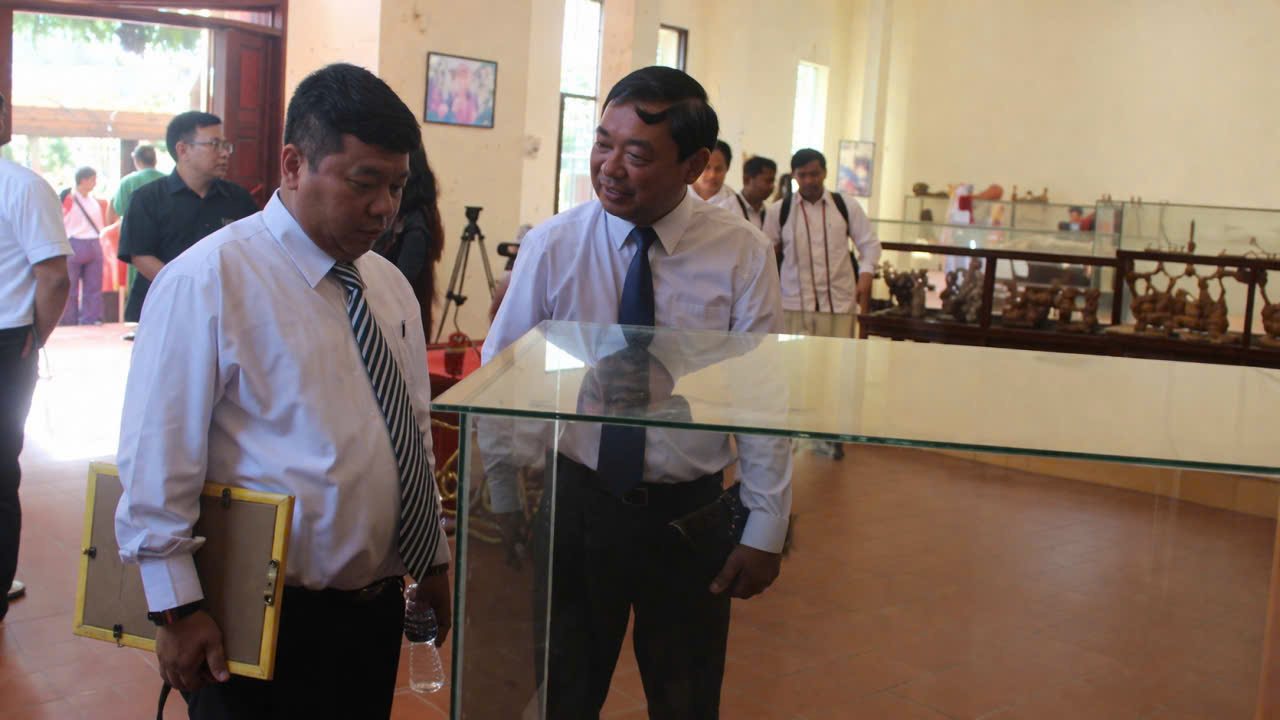
Mr. Uc Viet Vong, residing in Bac Binh commune, Lam Dong province, said that he felt very happy and admired the museum's owner for having collected so many artifacts.
“Here, he has also implemented digital transformation to help visitors, especially students, researchers, and others, easily access, read, and understand information. This impacts the younger generation in preserving and promoting the cultural heritage of Vietnam and Lam Dong province. And through this, it also contributes to attracting more tourists to the Mui Ne area, Lam Dong province,” Mr. Vong said.
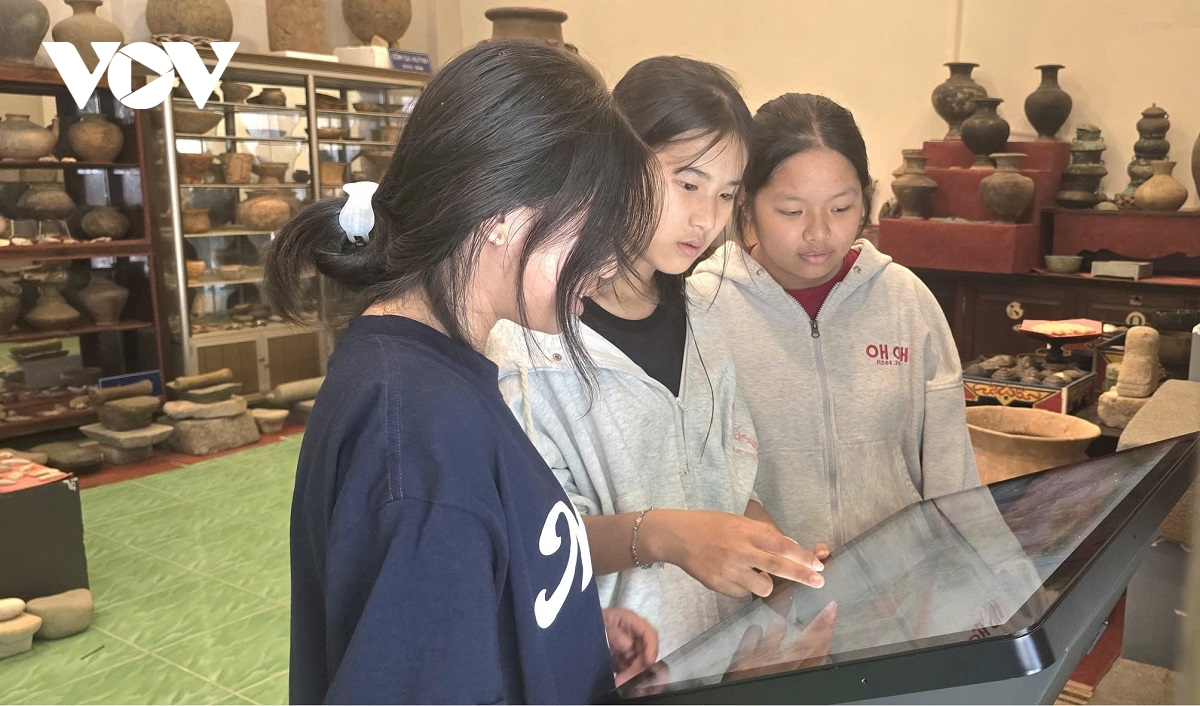
Mr. Nguyen Ngoc An, the founder of the Mui Ne Museum of Ancient Artifacts, said that in order to meet the needs of many researchers, students, and tourists, the museum needs to digitize artifacts and convert them into 3D projections. Due to the large number of visitors and the limited space in the museum, only digitizing the artifacts can fully convey the message. The museum is currently collaborating with several organizations to implement this.
“Initially, we already have a digital museum with over 50 digitized artifacts. Soon, with AI (artificial intelligence) technology and GPT chat, I think digitization will be simpler. Adding English and Russian languages will make it even more interesting and modern for visitors,” Mr. An added.
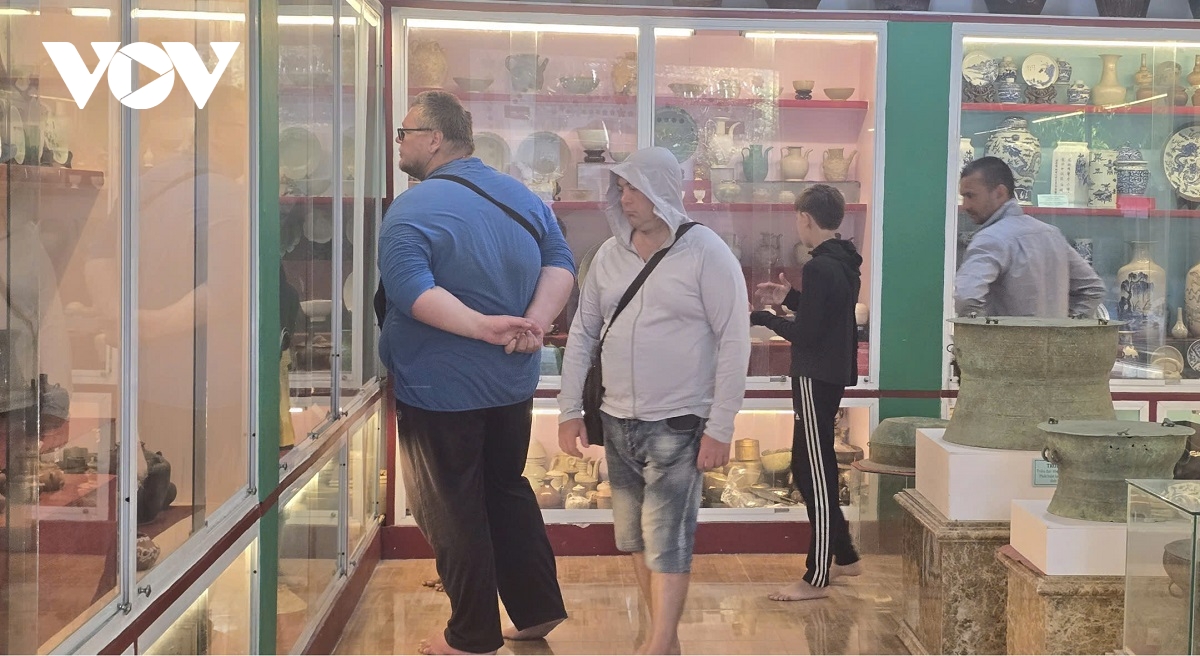
Since its official opening, the Mui Ne Museum of Ancient Artifacts has welcomed hundreds of thousands of domestic and international visitors. Notably, the museum does not charge an entrance fee and regularly collaborates with educational institutions for study and research.
Furthermore, driven by his passion and desire for better preservation of ancient artifacts, Mr. Nguyen Ngoc An donated over 2,000 original artifacts of historical, cultural, archaeological, and ethnographic value to the Cham Culture Exhibition Center, formerly the Binh Thuan Provincial Museum – now the Lam Dong Provincial Museum. He also donated a total of over 5,000 artifacts to other museums nationwide.
According to Ms. Lu Thai Tuyen, Deputy Director of the Lam Dong Provincial Museum, with the tourism trend shifting from relaxation to cultural experiences, museums are becoming a special highlight. Beyond traditional exhibitions, the digitization of artifacts opens up broader accessibility, especially for young people and researchers.
“Mr. Nguyen Ngoc An’s museum is also one of the non-governmental museums that has implemented museum digitization very well, especially the construction of a 3D museum. This is the application of technology to museum work, which will partly help preserve heritage, protect the longevity of artifacts, and bring heritage closer to the public. This application is considered one of the essential activities of museums today,” said Ms. Tuyen.
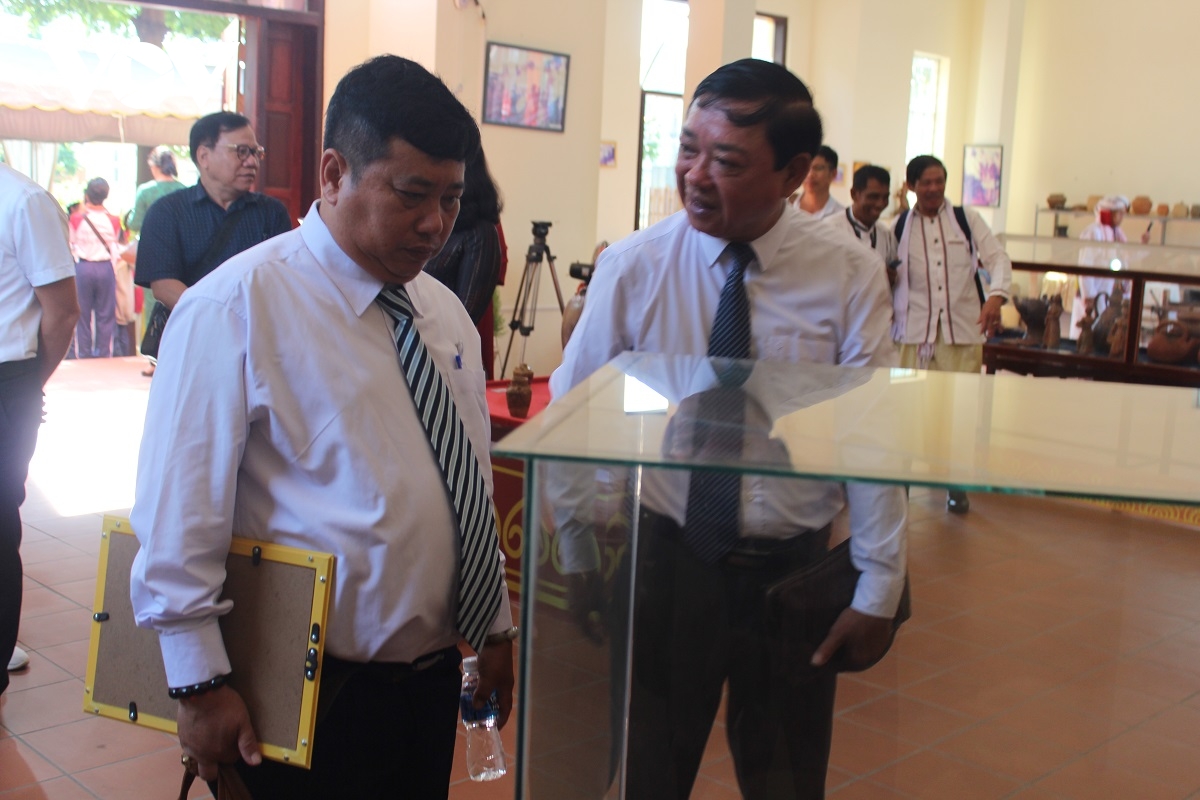
Mr. Nguyen Ngoc An hopes that in the digital transformation process, museums will receive some support from the State to enable faster and better implementation.
“I hope that all museums, including private and public museums, will receive more investment from the State so that by 2026 and 2027, all artifacts can be digitized and there will be digital museums nationwide. Only then can we be on par with museums in other countries around the world, contributing to the development of tourism in Lam Dong province,” Mr. An expressed.
Located in the heart of Mui Ne fishing village, Lam Dong province, the Mui Ne Museum of Ancient Artifacts is a highlight of unique culture, telling the story of a thousand years of history of this southernmost region of Central Vietnam with its diverse cultures through artifacts preserved and displayed at the museum as well as in the digital space.
